
 By Pelham Parkway Vision Center
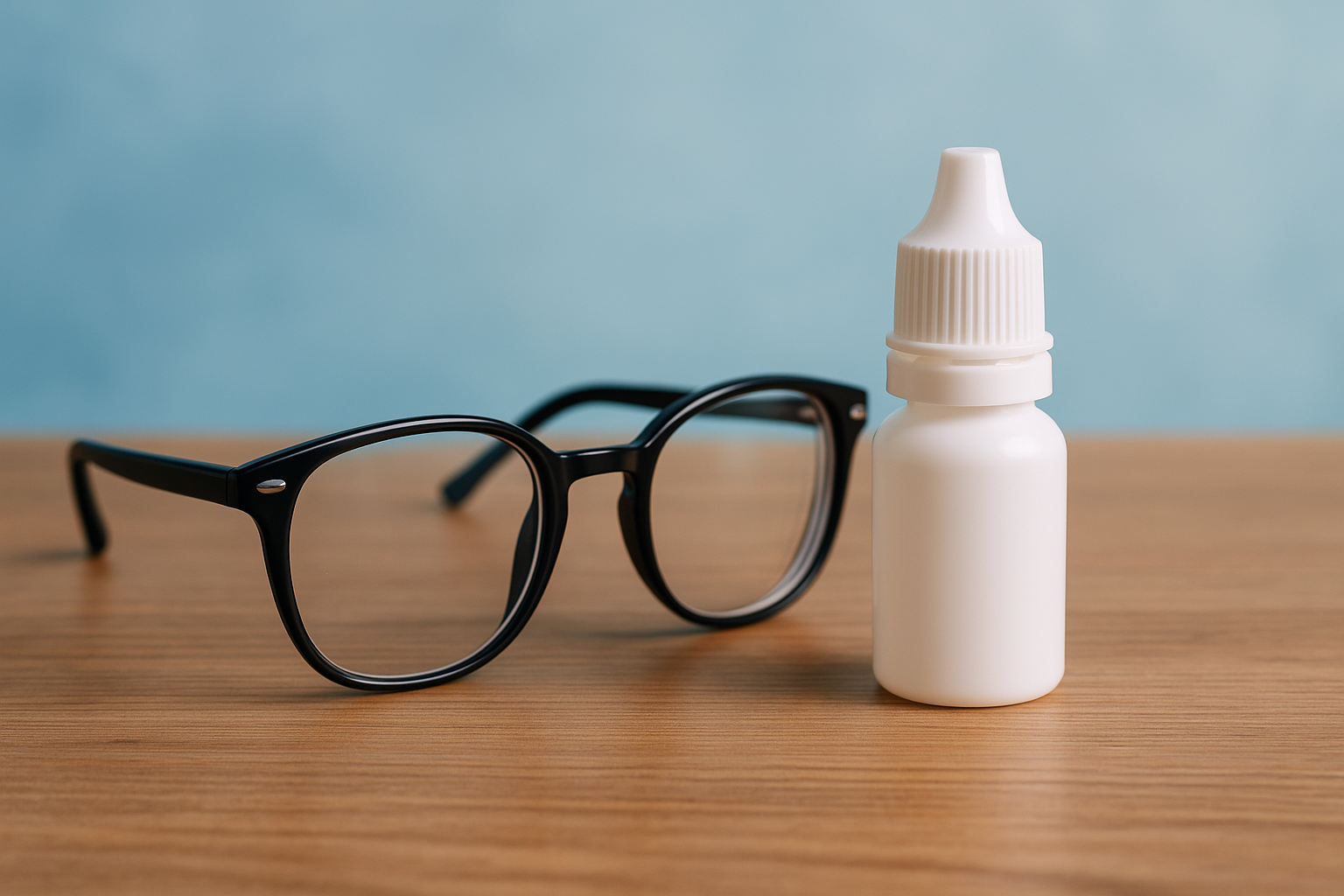
What Is Low-Dose Atropine?
Atropine is an eye drop long used in eye care, but in very low concentrations (typically 0.01%–0.05%), it’s been shown to safely slow the progression of childhood myopia.
Unlike traditional treatments that simply correct blurred distance vision, low-dose atropine addresses the underlying growth of the eye.
Unlike traditional treatments that simply correct blurred distance vision, low-dose atropine addresses the underlying growth of the eye.
How It Works
Scientists believe atropine helps regulate the eye’s growth signals, reducing the excessive elongation that causes myopia to worsen.
Research shows that children using low-dose atropine can experience 30–60% less progression over two to three years compared to no treatment.
Research shows that children using low-dose atropine can experience 30–60% less progression over two to three years compared to no treatment.
Key Benefits
-
Safe and Well-Tolerated
Minimal side effects such as light sensitivity or near-vision blur, thanks to the very low concentration. -
Convenient Nightly Use
One drop in each eye before bedtime—easy for parents and kids to manage. -
Pairs Well with Other Treatments
Can be combined with specialty glasses or contact lenses for an even stronger effect when needed.
What to Expect During Treatment
-
Initial Consultation
Comprehensive exam, prescription history, and baseline eye measurements. -
Custom Dosage & Prescription
We collaborate with a compounding pharmacy to provide the exact concentration for your child. -
Regular Monitoring
Follow-ups every 3–6 months to track prescription changes and ensure comfort.
Frequently Asked Questions
Is low-dose atropine safe for long-term use?
Yes. Studies spanning several years show it is both effective and well tolerated.
Yes. Studies spanning several years show it is both effective and well tolerated.
Will my child still need glasses?
Atropine slows progression but does not eliminate the need for vision correction.
Atropine slows progression but does not eliminate the need for vision correction.
When should we start?
Earlier is better—typically between ages 6 and 12, when myopia tends to progress fastest.
Earlier is better—typically between ages 6 and 12, when myopia tends to progress fastest.
Myopia Control at Pelham Parkway Vision Center
Low-dose atropine is one of several evidence-based treatments we offer, alongside specialty myopia-control glasses, multifocal contacts, and orthokeratology.
Our doctors will create a personalized plan that fits your child’s lifestyle and prescription.
Our doctors will create a personalized plan that fits your child’s lifestyle and prescription.
Take the Next Step
Protect your child’s long-term vision health.
Call (718) 798-2020 or request a myopia-control consultation today.
Call (718) 798-2020 or request a myopia-control consultation today.